Counseling After Serious Illness
Your health crisis may be over, but its impact is just emerging.
I provide counseling for adults navigating life after cancer, serious illness, injury, hospitalization, or medical crisis. And for the people whose lives have changed alongside them.
You may be medically stable and still feel unsettled. Your body may feel unfamiliar. The future may feel less certain. Relationships and roles may have changed. You may be grieving things other people don't recognize as losses, or wondering why surviving hasn't led you to feel like yourself again.
Counseling can help you reorient toward the life that is here now.
In-person counseling in Centennial, Colorado • Telehealth for adults throughout Colorado.

The Aftermath of “After”
You survived. But life didn't go back to normal.
Your body feels different.
Symptoms, fatigue, physical changes, medical vigilance, or a loss of trust in your body may be continuing long after the immediate crisis.
Your sense of self has changed.
You may be feeling the strain of disrupted roles, relationships, employment, identity, and the future you expected.
Uncertainty is everywhere.
Your thoughts can be consumed by fear of recurrence, another crisis, disability, treatment decisions, or simply not knowing what comes next.
Grief is real.
You may be grieving the loss of health, ability, safety, relationships, identity, time, or a version of life that is no longer available.

Physical recovery and emotional recovery don’t happen on the same timeline.
Find the Support that Fits
For people who have finished active treatment, regardless of whether cancer is chronic or metastatic, in surveillance or in remission.
Cancer & Cancer Survivorship
After Serious Illness or Medical Crisis
For people reorienting after hospitalization, critical illness or injury, transplant, heart attack, or other life-changing medical experiences.
For people whose lives have changed because someone they care about, or feel responsible for, is seriously ill.
Family & Caregivers
It’s normal to feel unfamiliar to yourself.
Reorienting After Medical Disruption
Counseling after a life-changing medical experience won’t return you to the person you were before. Nor should it.
Illness and medical crisis have altered how you experience your body, yourself, other people, and the future. Some changes will eventually soften. Others will become part of the life you now carry.
Our work begins by understanding what is here today.
We will make room for grief and fear. We will pay attention to what your body has been carrying. We will explore the changed relationships or roles you now face. You will be allowed to question expectations you've been living under, reevaluate difficult decisions, and rediscover what still feels undeniably yours.

Medical Experiences Affect More Than the Body
Serious illness changes many parts of life at once.
These four areas give us a simple way to notice where impacts are showing up for you.

BODY
fatigue · pain · insomnia · physical limitations · body trust · nervous-system responses
MIND
anxiety · uncertainty · vigilance · memories · expectations · attention · thoughts about what comes next
RELATIONSHIPS
family · friendships · caregiving · intimacy · work · roles · support · boundaries · independence · belonging
MEANING
identity · purpose · values · mortality · spirituality · the future · what feels important now
Therapy With Direction & Sensitivity
I look at counseling in terms of “chapters.”
Over approximately 8 - 12 sessions, we identify what issues feel most important for you to explore, understand how they are affecting your life, and work toward changes that feel most possible and most meaningful to you.
After roughly 12 sessions, we'll pause and ask: What has shifted? What still needs attention? Does continuing counseling feel useful?
Together, we might decide to continue with the same focus and frequency, stay with the same focus but meet less often, change focus and meet as needed, or end therapy for the time being.
Chapters help us work toward meaningful goals within a timeframe that is sensitive to the realities of your time, energy, and finances.
Hello, it’s nice to meet you.
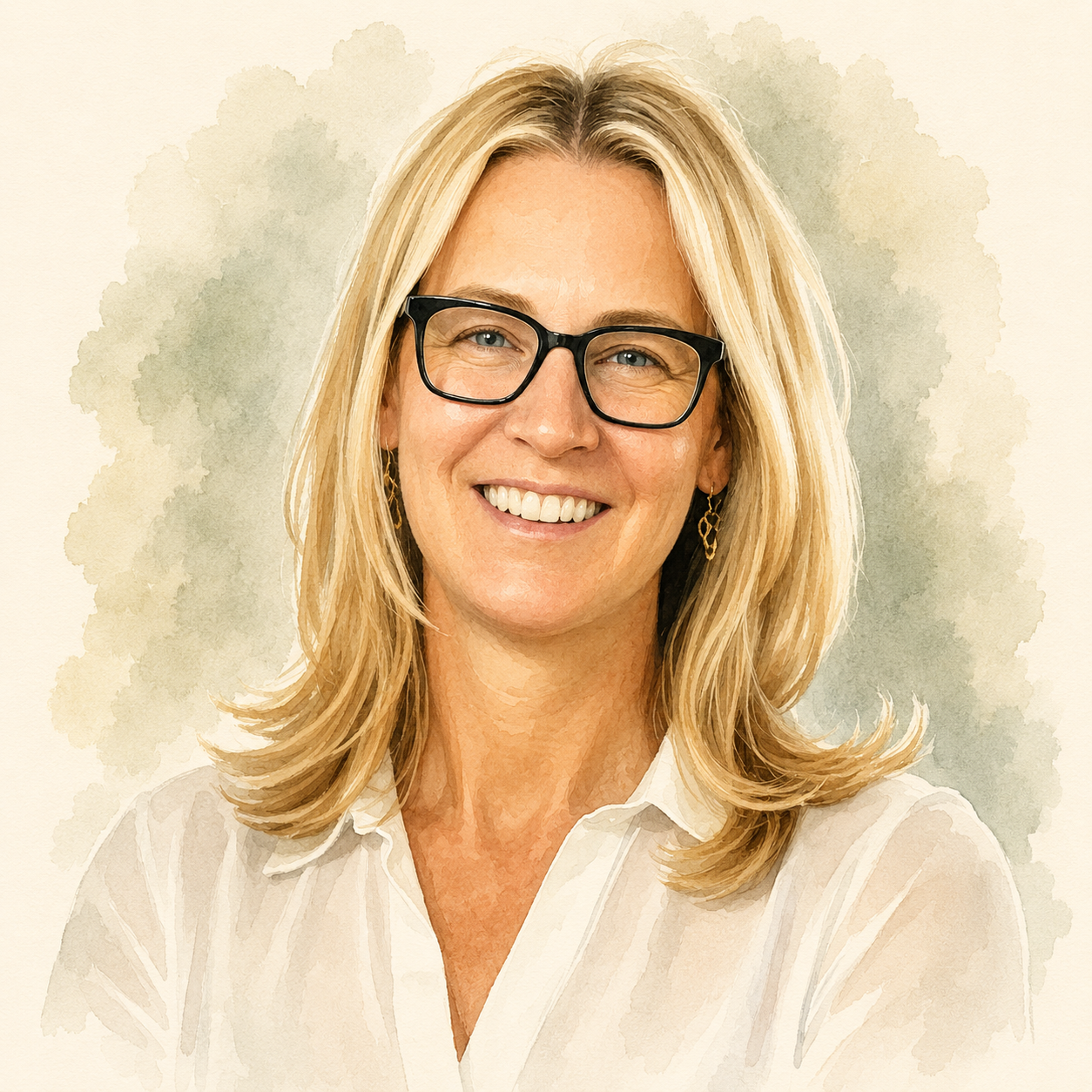
Cierra McNamara, MSW, LSW, IPCC
I’m Cierra McNamara. My work has developed at the intersection of serious illness, palliative care, grief, mindfulness, and counseling.
For more than twenty years, I've worked alongside people navigating cancer, caregiving, medical uncertainty, loss, and questions about what makes life meaningful.
This background means you don't have to spend your counseling sessions explaining why an upcoming scan feels frightening, why “good news” can coexist with grief, why accepting help can feel complicated, or why surviving a medical event doesn't mean you're “over it.”
I understand you are far more than your health history. My aim is to help you put that history in the best perspective so you can focus on creating more room for living.

The Palliative Care Perspective
Palliative care taught me to look beyond a diagnosis and ask how illness is affecting the whole person: their body, emotional life, relationships, identity, values, and hopes for the future.
I bring that perspective into counseling as early as possible in the course of life, while there is time not only to prepare for what may come, but to live with what is here right now.
The Long Middle
There can be a long stretch of life between a serious medical event and the end of life.
I’m particularly interested in this time – the period when surviving shifts into integrating.
This “long middle” can offer something invaluable: time to process, not only time to prepare.
Time to understand what happened. To grieve. To reconsider priorities. To talk about mortality without being near death. To decide what quality of life means to you now, and to learn how to live closer to your values.
In palliative care we are very good at asking, “What matters to you?”
My interest is giving people enough time to actually live with their answer.
Beyond Counseling
Center for Wisdom & Wellness is also a home for conversations about illness, grief, caregiving, mortality, and what it means to live well in the face of limitations.
You can find me outside the counseling room through community programs, grief support groups, and professional education events.
Wondering Whether Counseling Is Right For You?
It’s normal to be unsure. Let’s talk about it.
A free 15-minute consultation gives us a chance to discuss what brings you here, ask and answer questions, and consider whether working together makes sense right now.
In-person counseling in Centennial
Telehealth throughout Colorado
$100–$140 sliding scale