Counseling after a life-changing medical condition
Your health crisis may be over, but its impact is just emerging.
I offer individual counseling for adults adjusting to life after cancer, serious illness, injury, or another life-changing medical experience.
Yes, you understand the good news – you survived a medical ordeal.
Yet… you’re still waiting to feel recovered, whole, safe, independent, or even simply understood.
Even though you’re medically stable you can still find yourself living with uncertainty, grief, changes in your body or relationships, or questions about who you are now and what comes next.
Counseling is where you have space to process all that’s happened, integrate what is different, and consider how you want to live in the months and years ahead.
The Aftermath of “After”
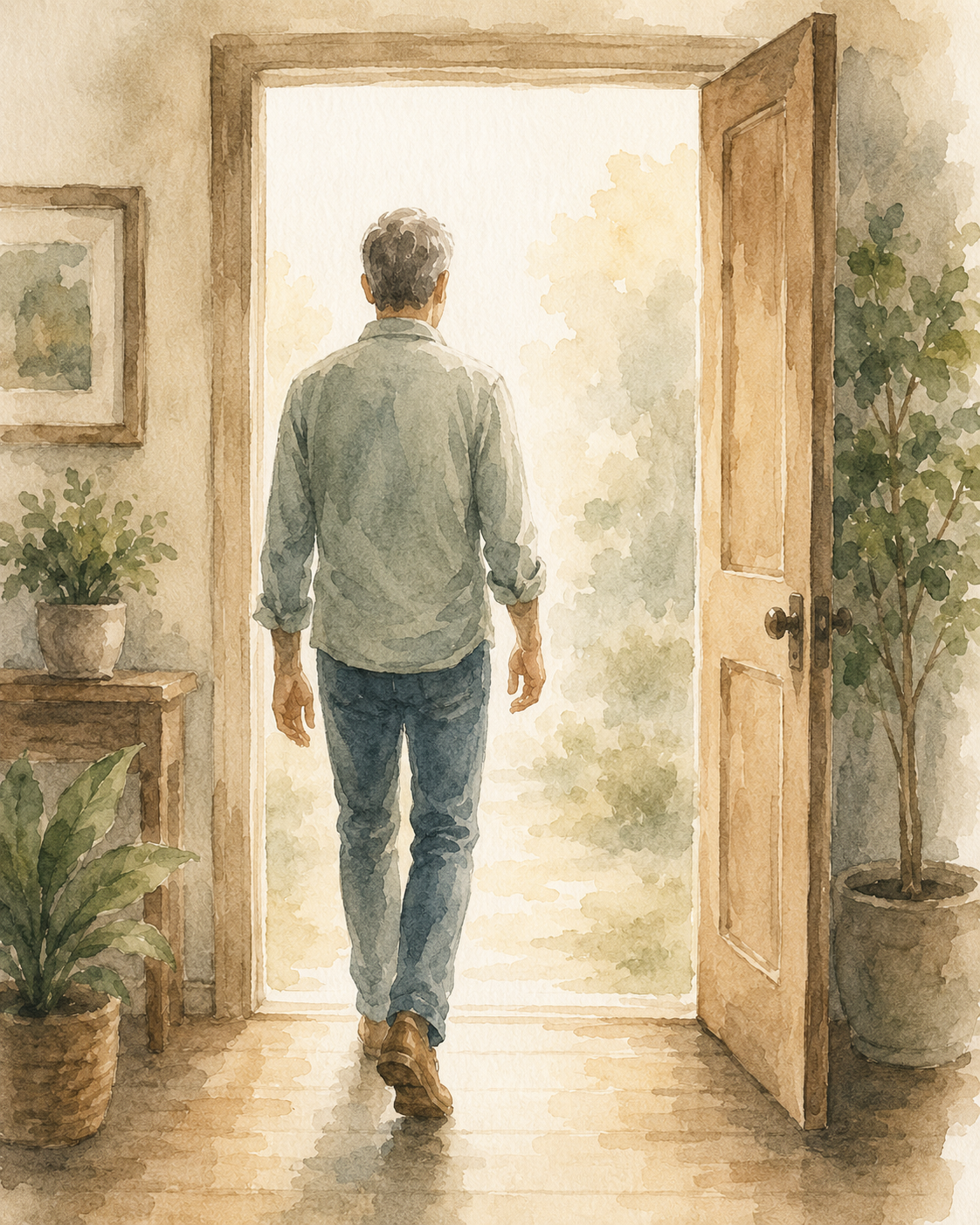
You survived. But life didn't go back to normal.
Your body feels different.
You likely feel vulnerable, watchful of symptoms, disconnected from your body, or unsure whether you can trust it again.
Your sense of self has changed.
You’ve probably been forced to reconsider your beliefs about independence, roles, relationships, identity, and plans for the future.
Uncertainty is pervasive.
You understandably live with an increased fear of recurrence, another medical crisis, disability, or death.
Grief is real.
You feel the losses (of physical abilities, relationships, a sense of safety, or the version of life you expected) but haven’t been able to name it or process it as grief.
Physical recovery and emotional recovery don’t happen on the same timeline.
Making sense of your new life is the second half of rehabilitating from a life-changing medical experience
Find the Support that Fits
Cancer & Cancer Survivorship
Support after active treatment has concluded, whether chronic or metastatic, in surveillance or remission, on maintenance therapies or alternative medicines.
After Serious Illness, Injury, or Medical Crisis
Support after a heart attack, transplant, serious illness or accident, hospitalization, or other health emergency that divided life into before and after.
Family & Caregivers
Support for people whose lives have also been deeply impacted by the critical illness or medical crisis of someone they love.
Processing & Integrating
Counseling after a life-changing medical experience isn't about getting back to the person you were before. These experiences change you in ways that cannot — even should not — be undone.
Instead, therapy is an opportunity to better understand what happened and make room for what you're feeling. To develop a new relationship with your body and life circumstances. And to consider what matters most to you today.
My 4-Fold Approach
Notice
What is causing the most distress right now?
Integrate
How does this become part of my story without becoming all of my story?
Reconnect
How do I befriend the body and the life I have now?
Choose
What matters today, and how do I want to live tomorrow?
A whole-person approach to quality of life
My background in palliative care shapes the way I understand the impact of serious medical experiences. Illness and injury never affect only the body. They also impact emotions, relationships, roles, identity, purpose and our understanding of the future.
Palliative care calls this Total Pain – the recognition that physical, emotional, social and existential suffering are all interconnected.
I bring this same whole-person perspective to counseling, much earlier in the course of life: not only when someone is approaching death, but while there is time to process what has happened, consider what matters, and live aligned with their answers.
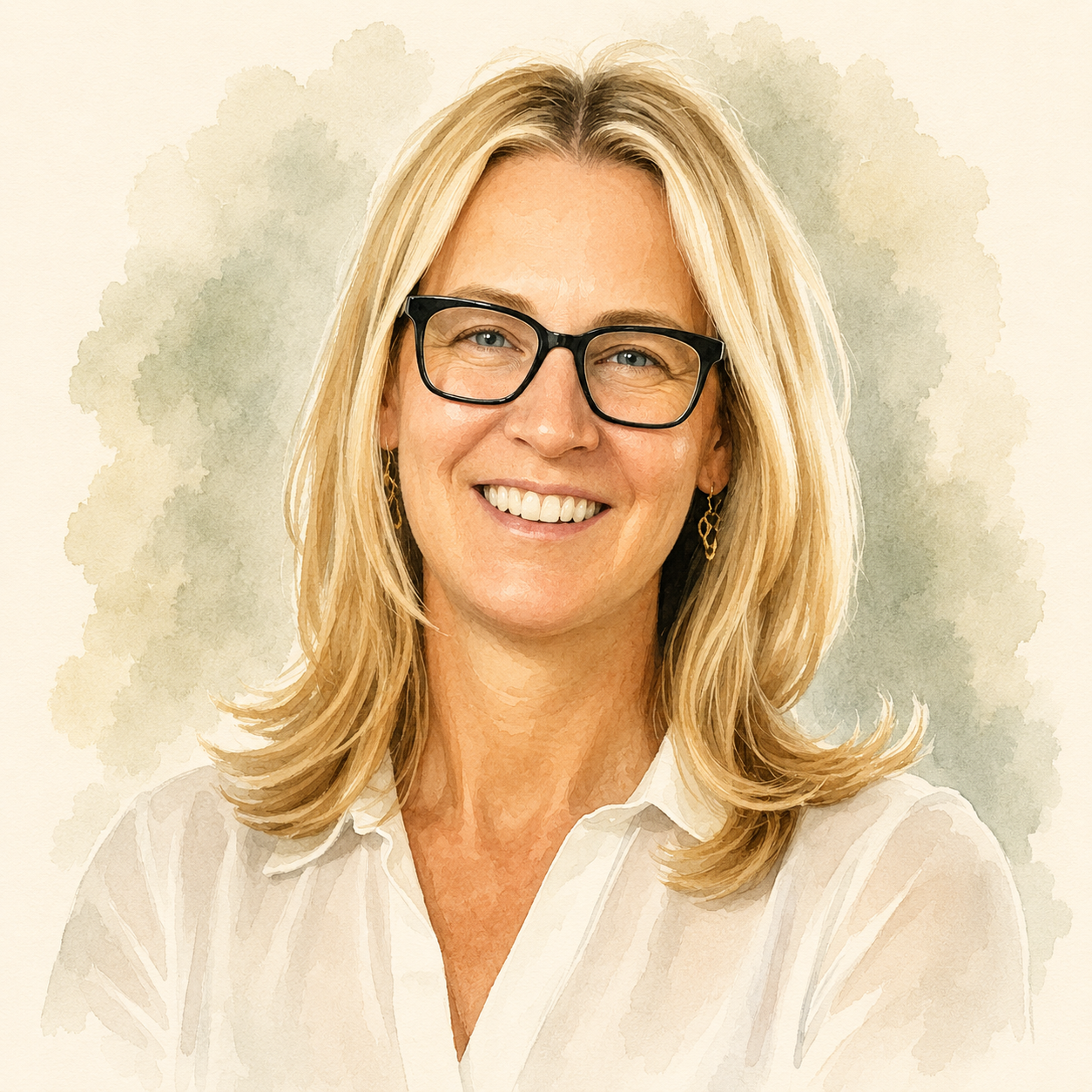
Hello, I'm Cierra McNamara. My work has developed at the intersection of serious illness, palliative care, grief, mindfulness, and counseling. I've spent over twenty years alongside people navigating cancer, caregiving, medical uncertainty, loss, and questions about what makes life meaningful.
Which means you don't have to spend your counseling sessions explaining why an upcoming scan feels frightening, why “good news” is coexisting with grief, or why surviving an event doesn't mean you're finished with it.
I bring warmth, curiosity, steadiness, and a whole-person perspective to the complex conversations you want and need to be having.
The Long Middle
There can be a long stretch of life between a serious medical event and the days of dying.
I’m particularly interested in this time – the period when surviving gives way to integrating.
This “long middle” can offer something invaluable: time to process, not only time to prepare.
Time to understand what happened. To grieve. To reconsider priorities. To talk about mortality without being near death. To decide what quality of life means to you now, and to learn how to live closer to your values.
We are very good in palliative care at asking, “What matters to you?”
My interest is in giving people enough time to actually live with their answer.
Beyond Counseling
Center for Wisdom & Wellness is also a home for conversations about illness, grief, caregiving, mortality, and what it means to live well when life forces us to the edge.
You can find me outside the counseling room through the programs below.
Community Conversations
Death Cafés, library programs and community education.
Grief & Bereavement
My work with HeartLight Center and grief education.