
Grief Education
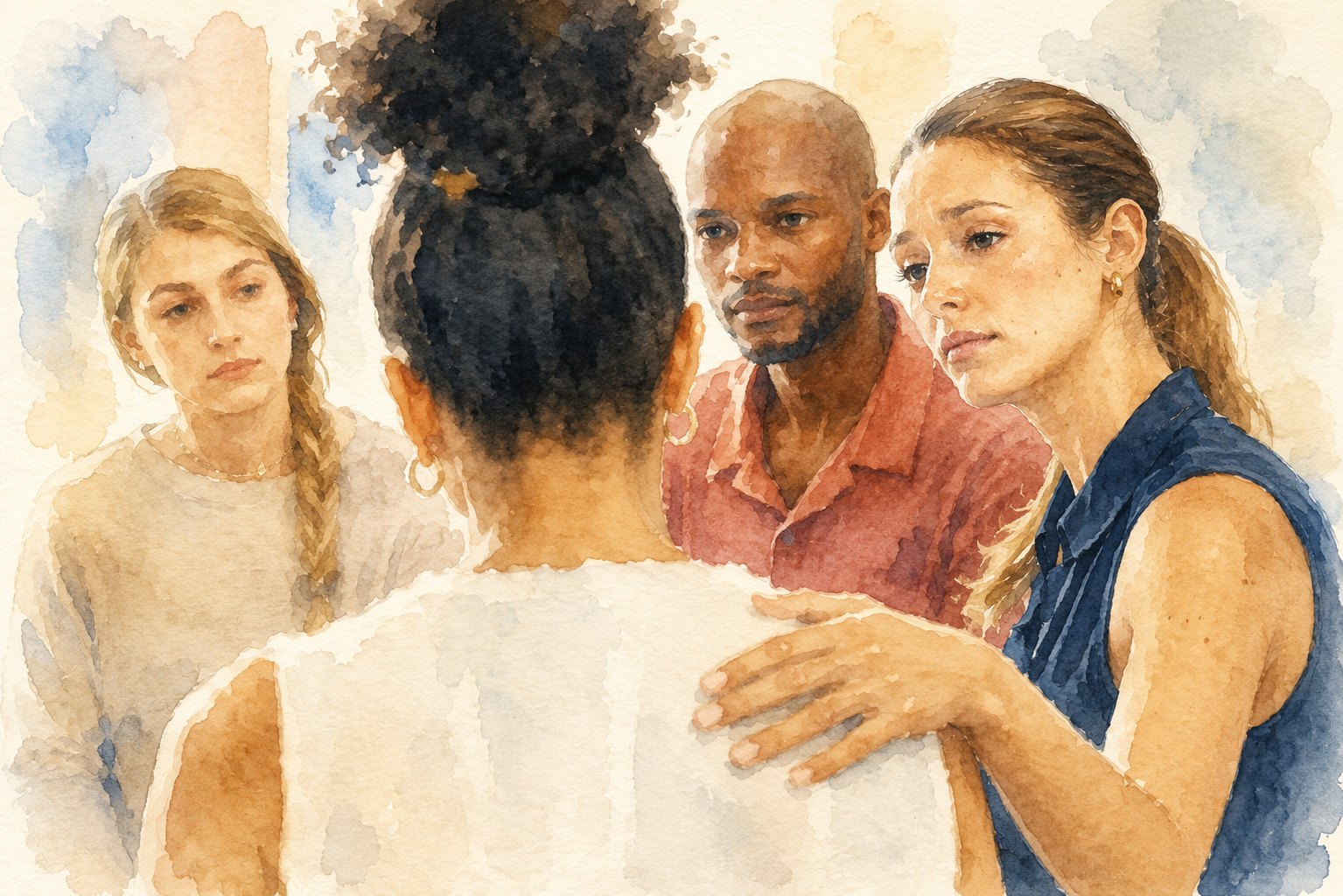
Grief – the most universal experience, bringing some of the most devastating emotions, and no one teaches us how to move through it.
Many people try to carry their grief quietly.
Some feel their sorrow will be a burden to their family.
Others believe they should be “strong” and stoic.
“It's no measure of health to be well adjusted to a profoundly sick society.” ~ Jiddu Krishnamurti
The maladaptive ways we manage grief are a reflection of how well we’ve internalized society’s messages of avoidance, denial, and suppression of pain. They’re not a reflection of our inability to cope with hardship.
Caregivers often channel their grief into attending to everyone else's needs. People living with illness often hide their grief to protect the people they love. Healthcare professionals are often told they should simply move on to the next patient. But grief has a way of becoming heavier when carried alone.
My grief education programs are offered through the HeartLight Center of Denver.

Groups
When grief – in all of its messy splendor – is brought to light in a supportive environment, there is often relief in discovering that someone else has thought the same thoughts, asked the same questions, or felt the same contradictions.
In these peer-led spaces, you don't have to explain why you're grieving, and you don't have to justify or apologize for your emotions. You simply have the opportunity to witness, and to be seen by, people who understand.
Anticipatory Grief Support Group
For people living with life-threatening or terminal illness, and the people who love them.

Family Caregiver Support Group
For caregivers tending to friends or family living with life-threatening or terminal illness.
Professional Workplace Grief Discussion Group
For professionals who work in careers where grief, loss, and trauma are part of the job description.